


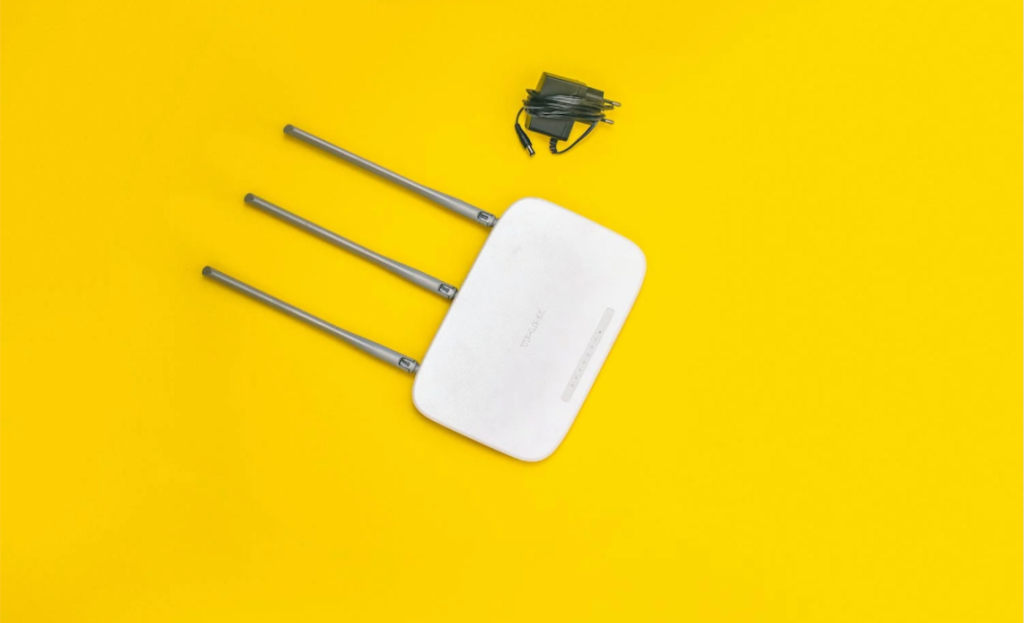
The internet has become indispensable in modern life, connecting offices, courts, businesses, and educational settings. What’s more, the demand for Wi-Fi in homes is growing rapidly.
A number of people are concerned that Wi-Fi routers might be a health hazard. It is thought that the radio frequency radiation they emit could negatively impact the human body.
The majority of scientists and health organisations agree that the radio frequency radiation emitted by Wi-Fi routers is not directly harmful to health. The radiation levels from these devices are exceedingly low, making the chances of any harmful effects virtually negligible.
The World Health Organization (WHO), the International Agency for Research on Cancer (IARC), and numerous scientists and research organisations agree that the non-ionising radiation from Wi-Fi routers is not directly harmful to health.
That said, prolonged exposure to elevated levels of radiation may lead to certain negative health effects.
PRECAUTIONS TO STAY SAFE
While significant adverse health effects from Wi-Fi routers remain unproven, implementing specific precautions can help enhance your concentration and safety.
KEEP A SAFE DISTANCE
To minimise radiation levels, it’s wise to work away from the Wi-Fi router and to refrain from situating it right next to your bed.
MAKE SURE TO SWITCH OFF AT NIGHT
If you have concerns about radiation emitted by the router, you could think about turning it off at night during your sleep. This may be especially helpful if you experience sleep disturbances.
TRY TO LIMIT YOUR PROLONGED EXPOSURE
Although substantial evidence of harm from typical use is lacking, it’s wise to refrain from staying very close to the router for extended durations.
CONCLUSION
Although there’s no solid evidence to suggest that Wi-Fi routers are harmful with regular use, it’s still wise to take a few precautions.
Turning off the router at night and keeping a bit of distance from it can help reduce possible risks.
These simple precautions can help you feel safer while still making the most of wireless technology.